



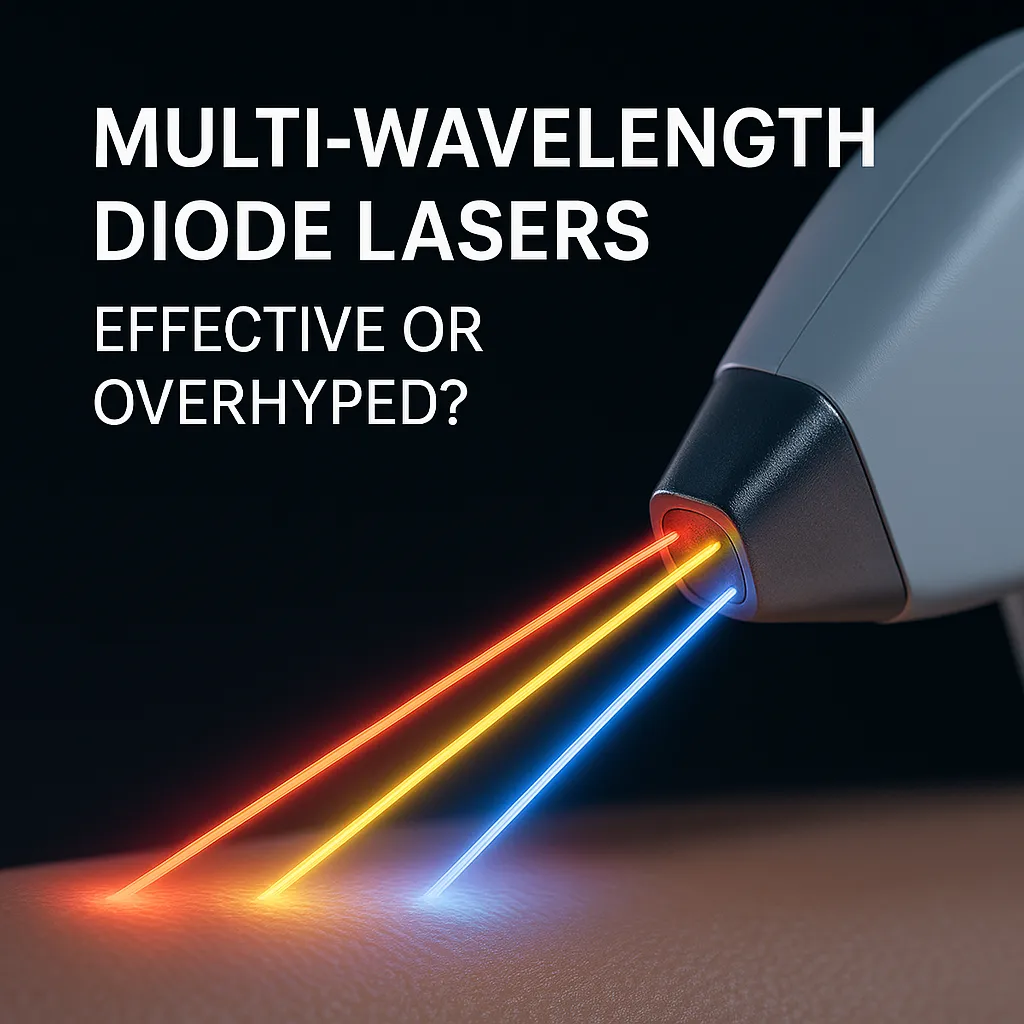
Multi-wavelength diode lasers (when one machine claims 755, 808 and 1064 nm at once) are more often marketing than a real advantage. The reason is simple: the stack power is split between the wavelengths, and none of them runs at full. One strong 808 nm is usually more practical than three divided wavelengths in a single housing. Below we explain why, with numbers, and when several wavelengths are in fact justified.
Laser Technology has serviced diode lasers from many brands for over 8 years. We are not a manufacturer or a reseller: we see these machines from the inside, when they come in for repair. So we cover the topic honestly, without “buy three wavelengths because more equals better”.
Contents
- What does “multi-wavelength diode laser” mean?
- Why the power gets split (the main problem)
- What if the laser is more powerful, say 3000 W?
- Separate lasers per skin type are fine. “3 wavelengths in one stack” is another matter
- How to check whether all the wavelengths actually work
- Service and repair are harder
- When are several wavelengths actually justified?
- The bottom line
What does “multi-wavelength diode laser” mean?
These are machines that claim several working wavelengths in one diode stack at the same time, most often 755 + 808 + 1064 nm. The marketing logic: one wavelength for light skin, one all-rounder, one for dark skin, so the machine supposedly “covers everyone”. On paper it sounds ideal. In practice there is a physical limit that the adverts do not mention.
Why the power gets split (the main problem)
A stack has a limited total power. If you divide it between three wavelengths, each one gets only a share. Take a 1000 W machine:
| Wavelength | For | Power it gets | Result |
|---|---|---|---|
| 808 nm | Universal, main | ≈ 600 W | Works, but not at full |
| 755 nm | Light skin, fine hair | ≈ 200 W | Too little for a stable result |
| 1064 nm | Dark skin, deep hair | ≈ 200 W | Too little for deep penetration |
You end up with three weak wavelengths instead of one strong one. 808 nm at 600 W still pulls its weight, but 755 and 1064 at 200 W work at half strength.
What if the laser is more powerful, say 3000 W?
Suppose a multi-wavelength laser is rated at 3000 W, and each wavelength gets 1000 W. The splitting problem is supposedly solved, but another one appears. When three wavelengths fire at once, one of them is almost always too aggressive for a given skin type. For a client with dark skin (type V), the 808 nm wavelength will be overly active and can cause a burn, even if the 1064 nm in the same machine is safe. To avoid the burn, the operator has to lower the power, and we are back to the compromise between safety and result.
Separate lasers per skin type are fine. “3 wavelengths in one stack” is another matter
It is important not to confuse two things.
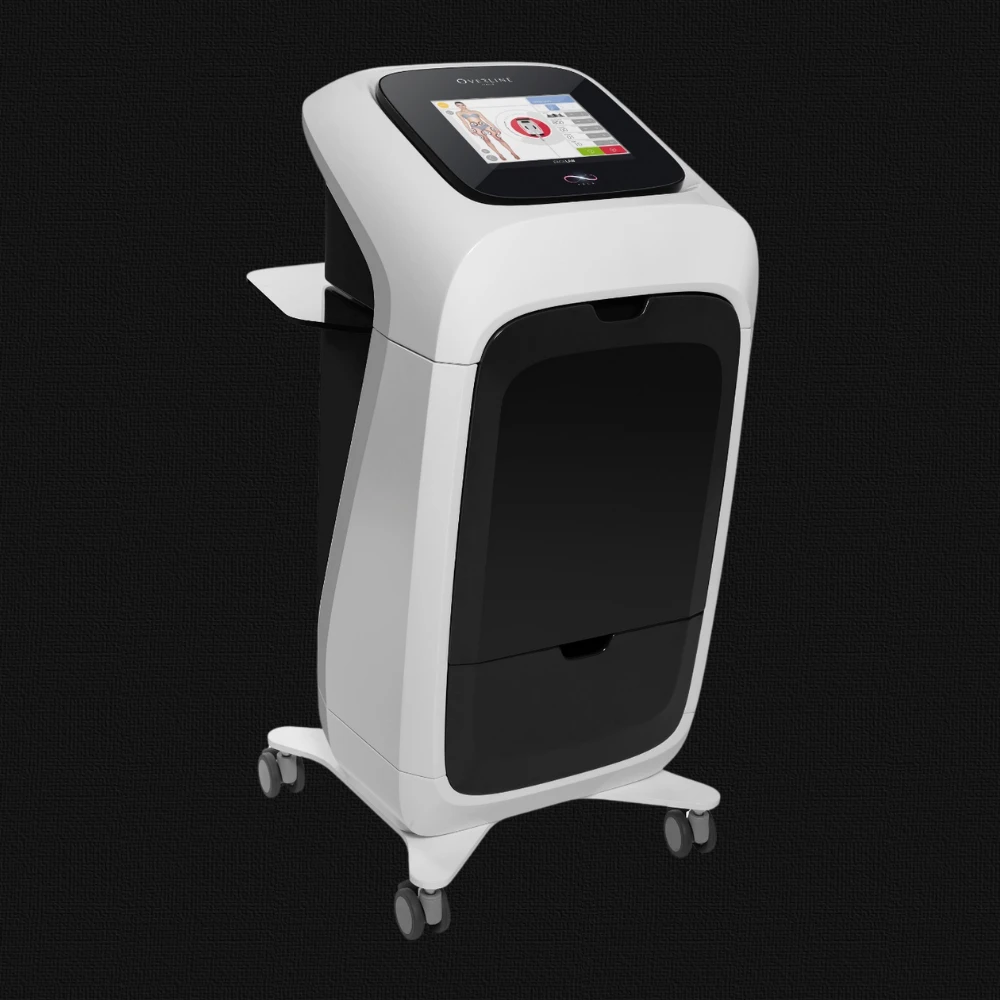
Separate lasers with different wavelengths is the correct approach: each wavelength really does work better for its skin type (755 for light skin, 808 all-rounder, 1064 for dark skin). If a clinic has the budget for several machines, or for a dual-wavelength system with separate sources, that is a strong setup. In our line, the honest implementation of this is the Overline Infinity Extreme (808+1064 nm, two separate sources, each at full power, not a divided stack).
But “3 wavelengths, 755/808/1064, in one stack” at the price of a single machine is most often marketing. That is exactly where the power is split and no wavelength reaches a working level. So 808 nm in most of our machines is not a limitation, it is a deliberate engineering choice: one universal wavelength at full power is more reliable than three divided ones.
How to check whether all the wavelengths actually work
Almost no way, and that is a separate problem. A dishonest seller can claim 3-4 wavelengths, and a salon cannot verify the emission and real power of each one without special equipment. So a simple control question for the seller: ask them to show the measured power for each wavelength separately, not the combined figure on the housing. If the answer is vague words with no specifics, that is a reason to be cautious.
Service and repair are harder
A stack with several wavelengths is more complex in design, so it is more expensive and slower to repair. If one band fails, it often affects the whole unit. And if the machine is from a little-known maker with no service or spare parts in your region, a repair turns into weeks of downtime. One reliable 808 nm is far more predictable here.
When are several wavelengths actually justified?
In markets with very diverse skin types (for example a multi-ethnic clinic serving both very light and very dark clients), a multi-wavelength system with separate sources genuinely makes work easier. For a more uniform audience, mostly Fitzpatrick II-IV, most salons are well served by a strong 808 nm, with a machine that has a separate 1064 nm wavelength for dark skin and tan. So the rule is not “more wavelengths equals better”, but “the wavelength that fits your real audience”.
The bottom line
808 nm is called the gold standard of diode hair removal for a reason: it confidently handles most hair and skin types. The weak spot of any laser is light, grey and vellus hair, but that is solved not by “extra wavelengths” but by electrolysis, which works with current and does not depend on pigment.
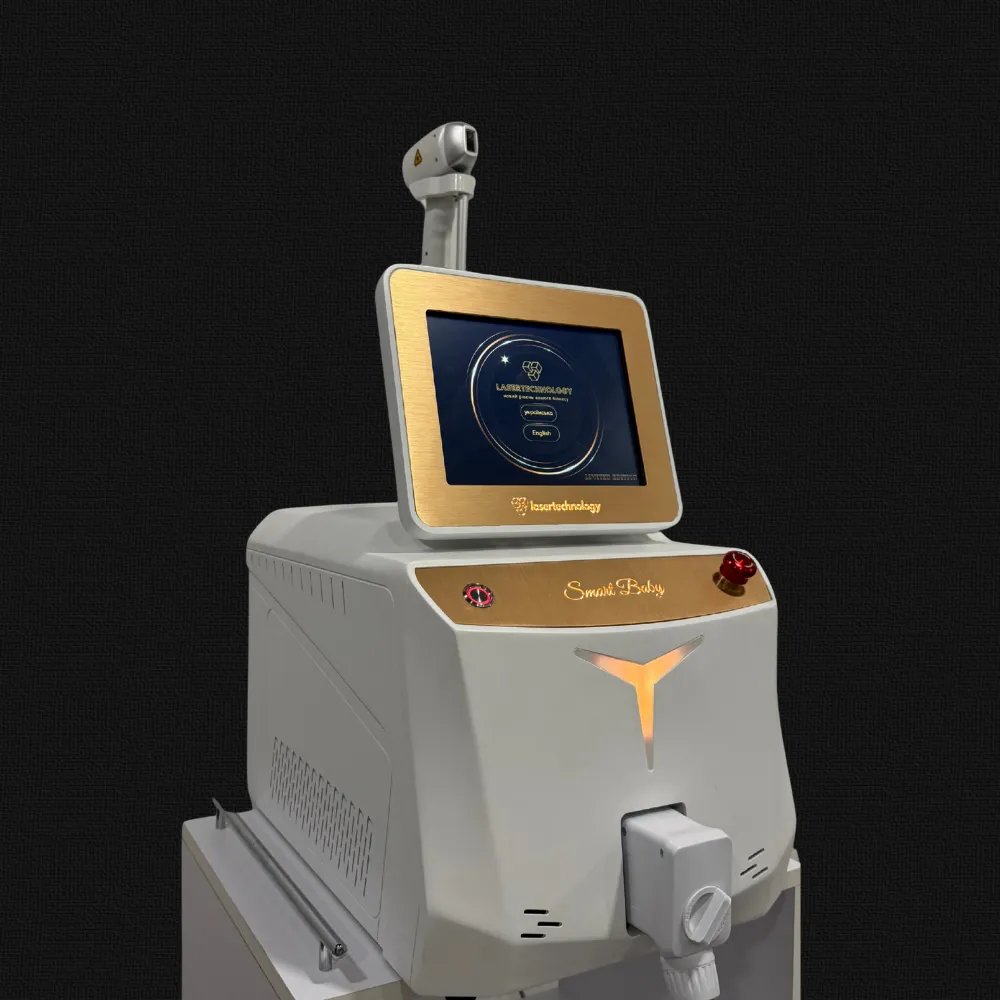
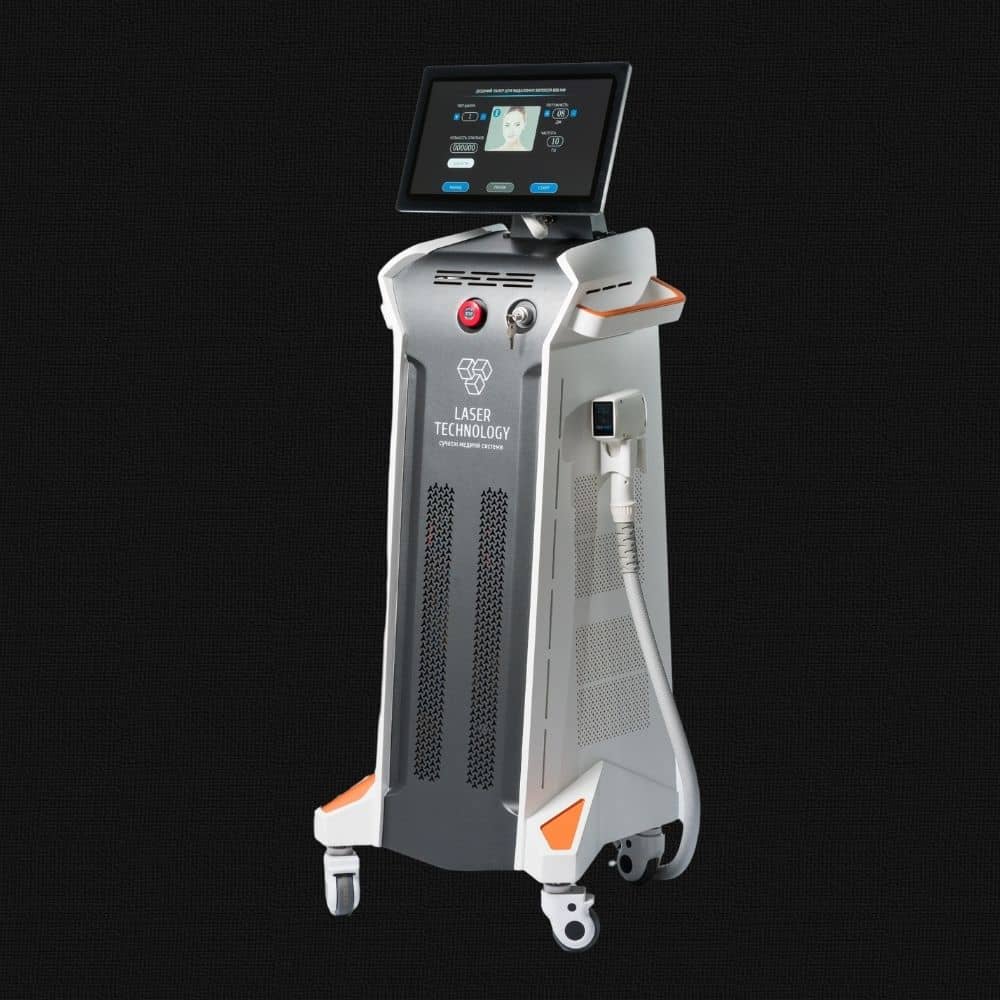
So when choosing a machine with several wavelengths, look at the real needs of your salon, not the number of wavelengths in the advert. The base working models in our line are the Smart Baby 1200 (portable, 808 nm) and the Hunter 2000 (stationary, 808 nm), while for a demanding audience with dark skin there is the dual-wavelength Overline. How to pick the right class of machine for your flow, and a full comparison of laser types (diode, alexandrite, IPL), are covered in Laser Hair Removal Machine for Salon: Diode, Alexandrite or IPL, and the truth about advertised watts in Diode Laser Power: How Not to Fall for Inflated Watts.
Wavelengths are absorbed by melanin differently depending on skin type on the Fitzpatrick scale, so the right wavelength matters more than the number of them. If you like, our engineers will advise for free which configuration you actually need for your audience. No pressure and no promises of easy money.
Recommended models
Not sure how many wavelengths you actually need?
Leave your number and an engineer will suggest the configuration for your audience and show the machine at work. The consultation is free.
Frequently asked questions
Are multi-wavelength diode lasers better than single-wavelength ones?
What is a three-wavelength (755/808/1064) diode laser?
How does 808 nm differ from a three-wavelength laser?
Which laser for dark skin if not a three-wavelength one?
How can I check that a laser really works at all its claimed wavelengths?
Updated: 13 July 2026